Somerset Council Volunteering Policy and Framework (Nov 2025)
Sets out a county-wide framework for recruiting, supporting and celebrating volunteers across 70+ roles. Clarifies standards, safeguarding, data protection, and the Central Volunteer Team’s processes.
A Guide to The Effective Involvement of Children and Young People: Resource Pack
A comprehensive resource which explores the ‘why, what, who, when & how’ of involving children and young people in consultations for service development. While the intended audience is Local Authorities, there is lots of information, activities, practical guidance and case studies which will be useful to the VCFSE sector.
Finding your voice: confidence in the community
The toolkit is intended for use with Key Stage 2 aged children, in order to support them to conduct a research and action project in their school to make changes on things within their school or local community which matter to them.
Community-Based Participatory Research Workbook

This workbook is for anyone interested in community based research. It is for someone new to research as well as someone who has more experience. Each page takes you through a step in the research cycle. So, it starts with what your community needs and ends with how community members can get the best of out of the research project.
DEEP Guide: Dementia words matter
The Dementia Engagement and Empowerment Project (DEEP) have produced guidelines for journalists, organisations and communications departments to inform why language about dementia matters. It allows people to use words and descriptions which was accurate, balanced and respectful. The language used to talk about dementia influences how people with dementia are views and also how they feel about themselves
Living Grief Booklet for Professionals
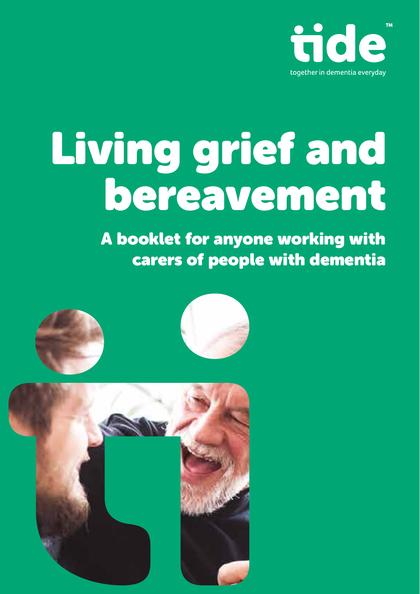
tide (together in dementia everyday) have created a booklet for anyone working with carers of people with dementia, to help them support those individuals with living grief
Guide to the Living with Dementia Toolkit
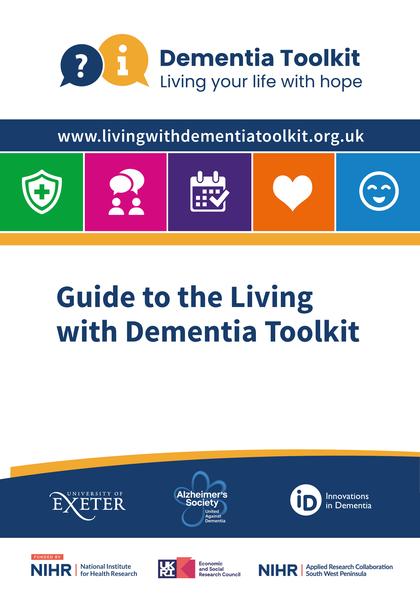
A guide for those living with dementia and their carers and family. The toolkit is arranged in 5 themes – stay safe and well, stay connected, keep a sense of purpose, stay active, stay positive. It was created based on research and co-production with a group of people with dementia and carers. Includes links to research and signposts to further information for resources to help people with dementia. An example of how documents can be made accessible, with explanations about QR codes etc
Dementia and Hope
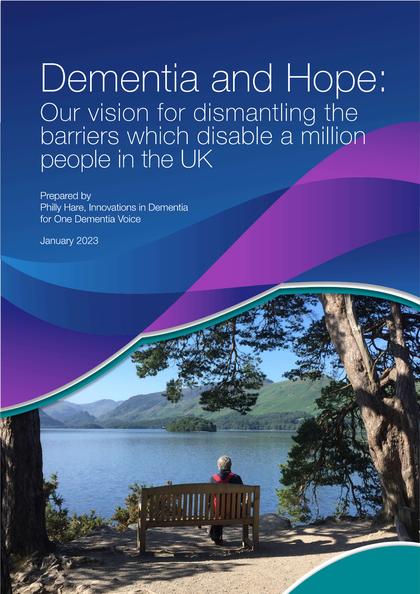
This document sets out the vision of a group of dementia organisations in the UK who have come together as One Dementia Voice. It outlines how these organisations are thinking differently about their support for those living with dementia, and how wider societal barriers can be overcome with the right support. It addresses frequently asked questions and provides suggestions on how to embed ‘Dementia and Hope’ into your organisation. There are also many personal stories and examples of how ‘reasonable adjustments’ can and should be made for people with dementia.
Libraries and dementia: connecting people with dementia
In 2022, Innovations in Dementia working with a number of libraries in the UK to explore their experiences of dementia and opportunities for further work and connection. This document outlines some key findings from that research, divided into 4 key sections: Key statistics about digital exclusion, ‘how to’ tips on bidding for and managing funded dementia projects, case study examples and ‘how to’ guides for supporting and encouraging people to access simple technology. Whilst aimed at libraries, findings apply to anyone considering dementia support and digital inclusion
Power Threat Meaning Framework
The Power Threat Meaning Framework is an over-arching structure for identifying patterns in emotional distress, unusual experiences and troubling behaviour, as an alternative to psychiatric diagnosis and classification. The project team’s aim was to produce a foundational document which sets out the philosophical, theoretical and empirical basis for such a framework and describes how it can serve as a conceptual alternative to psychiatric classification in relation to emotional distress and troubled or troubling behaviour.
This is an overview. A full 400+ page report is available from the British Psychological Society.