Document Category: Community Spaces and Places
| Image | Title | Summary | Categories | Link | hf:doc_categories | hf:doc_tags |
|---|---|---|---|---|---|---|
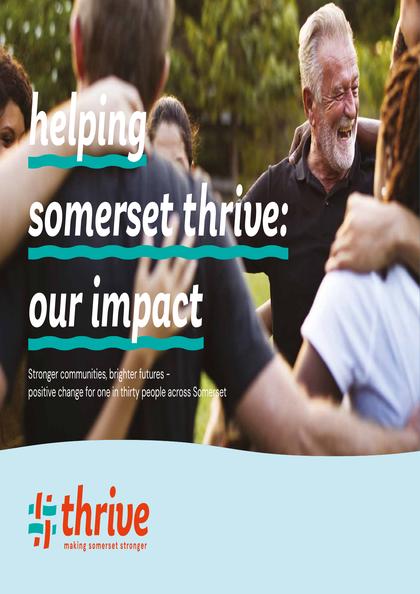 | Thrive Impact Report 2024-25 | The Thrive 2025 Impact Report highlights a milestone year as the organisation launches its first report under a new name, reflecting its commitment to stronger, more connected communities across Somerset. Over the past year, Thrive supported 18,854 people through practical help, trusted relationships, and community-led solutions, with 73% reporting increased confidence and 81% improved wellbeing. Key achievements include Village Agent support, Talking Cafés, Together events welcoming 7,250 people from 40 nationalities, and initiatives tackling isolation, fuel poverty, and sustainability. Alongside direct support, Thrive has strengthened partnerships and influenced local policy, demonstrating its commitment to ensuring every community can thrive. | Community Cohesion, Community Spaces and Places, County-Wide, Equality and Diversity, Everyone, Mental Health and Wellbeing, Support Service Activities | community-cohesion community-spaces-and-places county-wide equality-and-diversity everyone mental-health-and-wellbeing support-service-activities service-themes geography demographics | social-impact-report | |
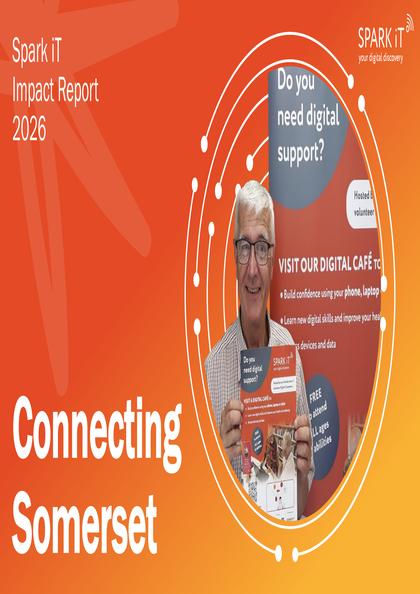 | Spark iT Impact Report 2026 | Spark iT was founded in 2021, as the UK emerged from Covid, to tackle digital exclusion at its roots. Today, partnering with community spaces to run | Community Spaces and Places, County-Wide, Education/Training, Physical Health and Wellbeing, Poverty and Disadvantage, Support Service Activities | community-spaces-and-places county-wide education-training physical-health-and-wellbeing poverty-and-disadvantage support-service-activities service-themes geography | social-impact-report | |
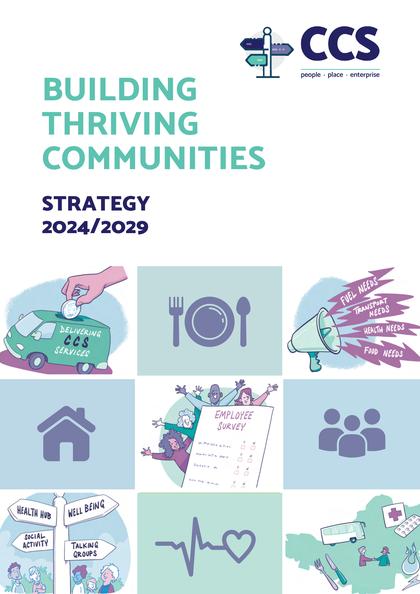 | Thrive Somerset: Building Thriving Communities Strategy 2024–2029 | Countywide strategy focusing on strengthening community resilience, voice and connection; models localised solutions to health, transport, food and housing needs and amplifies community insights into policy. | Community Cohesion, Community Development, Community Spaces and Places, County-Wide, Housing, Mental Health and Wellbeing | community-cohesion community-development community-spaces-and-places county-wide housing mental-health-and-wellbeing service-themes geography | policy-brief | |
 | Unlocking the potential of Big Local partnerships | This report explores the role and impact of Locally Trusted Organisations (LTOs) in the Big Local programme, which empowers residents in 150 areas in England to lead community transformation. LTOs manage funding, provide governance, and support resident-led decision-making. The research highlights the dynamic and complex relationships between LTOs, Big Local partnerships, and Local Trust, emphasizing the importance of trust, clear communication, and effective governance. Recommendations include improving induction processes, regular relationship reviews, and sharing transferable learning to support resident-led change beyond Big Local. | Administrative Activities, Community Development, Community Spaces and Places, General Charitable Purposes, UK | administrative-activities community-development community-spaces-and-places general-charitable-purposes uk service-themes geography | national-review | |
 | Local Trust – Delivering Big Local: The Role of Locally Trusted Organisations | The Big Local programme uses key service providers, known as Locally Trusted Organisations. Their main role is to manage Big Local funding on behalf of volunteer-led partnerships. This paper sets out what Local Trust knows about Locally Trusted Organisations in general and in relation to resident-led decision making and control. It identifies gaps in knowledge and questions to explore through research. This is mostly focused on instances where the relationship does not work. | Community Development, Community Spaces and Places, General Charitable Purposes, UK | community-development community-spaces-and-places general-charitable-purposes uk service-themes geography | guidance-document national-review toolkit-and-resources | |
 | Stronger Together – Principles & values of co-production | A learning guide exploring the key principles of co-production. For anyone looking to move beyond the definition of co-production and dig deeper into the principles and values that underpin the approach. | Community Development, Community Spaces and Places, County-Wide, Equality and Diversity, UK | community-development community-spaces-and-places county-wide equality-and-diversity uk service-themes geography | guidance-document toolkit-and-resources | |
 | The King’s Fund – Understanding Integration: How to Listen to and Learn From People and Communities | Understanding Integration: How to Listen to and Learn From People and Communities is a practical framework that can be used to help support systems listen to and learn from people and communities about their experiences of integrated care. Designed for anyone working within a local health and care system, it is intended to encourage NHS, local authorities and other local partners to work, listen and learn together. | Community Cohesion, Community Development, Community Spaces and Places, County-Wide, Mental Health and Wellbeing, Physical Health and Wellbeing, UK | community-cohesion community-development community-spaces-and-places county-wide mental-health-and-wellbeing physical-health-and-wellbeing uk service-themes geography | guidance-document national-review policy-brief toolkit-and-resources | |
 | Somerset Violence Reduction Partnership – Annual Report 2024-25 | The Somerset VRP Annual Report outlines multi‑agency work to prevent and reduce serious violence through early intervention, data‑led action and community partnership. Key activity includes governance for serious youth violence, Safer Somerset Priorities tactical meetings, police Early Intervention Team work, behaviour‑change education for pupils, town‑centre youth safety programmes, online harm reduction, and commissioning of high‑impact interventions such as A&E navigators, sports mentors and school‑based “teachable moments”. The VRP prioritises knife crime, street‑based violence and sexual violence for 2025–26, with a strong focus on safeguarding, prevention and community safety. | Community Cohesion, Community Development, Community Spaces and Places, County-Wide, Education/Training, Equality and Diversity, Mental Health and Wellbeing, Physical Health and Wellbeing, Sports | community-cohesion community-development community-spaces-and-places county-wide education-training equality-and-diversity mental-health-and-wellbeing physical-health-and-wellbeing sports service-themes geography | annual-report | |
 | Somerset 5 Year Joint Forward Plan refresh (2024-29) | Somerset’s refreshed Joint Forward Plan sets out how the Integrated Care System will deliver the county’s Health and Care Strategy from 2024–2029. It focuses on five priorities: restoring financial sustainability, developing the workforce, improving system flow, strengthening integrated neighbourhood teams, and transforming population health. The plan responds to significant financial pressures, growing demand and inequalities, and places strong emphasis on prevention, partnership with the VCFSE, data-driven decision making and supporting people to live healthier, independent lives. | Community Cohesion, Community Spaces and Places, County-Wide, Education/Training, Employment, Housing, Mental Health and Wellbeing, Physical Health and Wellbeing, Poverty and Disadvantage, Support Service Activities | community-cohesion community-spaces-and-places county-wide education-training employment housing mental-health-and-wellbeing physical-health-and-wellbeing poverty-and-disadvantage support-service-activities service-themes geography | guidance-document policy-brief | |
 | Avon & Somerset Police & Crime Commissioner’s Annual Report 2024-25 | The 2024–25 Annual Report outlines progress against the Police and Crime Plan’s five priorities: strengthening neighbourhood policing; reducing violent crime (including male violence against women and girls and serious youth violence); preventing crime through partnerships; supporting victims; and improving policing standards. Key achievements include 10,000+ hotspot foot patrol hours, expanded violence‑reduction programmes, improvements in victim services, and enhanced scrutiny, training and community engagement. The report highlights collaboration with local authorities, VCFSE organisations, and national partners to build safer, more confident communities. | Community Cohesion, Community Development, Community Spaces and Places, County-Wide, Education/Training, Homelessness, Mental Health and Wellbeing, Poverty and Disadvantage, Sports, Support Service Activities | community-cohesion community-development community-spaces-and-places county-wide education-training homelessness mental-health-and-wellbeing poverty-and-disadvantage sports support-service-activities service-themes geography | annual-report | |
 | Somerset Council – Council Plan (2023-27) | The Somerset Council Plan 2023–2027 sets out the vision for building a fairer, greener, healthier and more resilient Somerset. It focuses on four priority areas: tackling the climate and ecological emergencies; improving health and wellbeing; reducing inequalities; and strengthening Somerset’s economy and communities. The plan emphasises prevention, community involvement, partnership working, improving access to services, supporting education and skills, enabling sustainable growth, protecting vulnerable residents, and promoting cultural, economic and environmental resilience. It also highlights the role of Local Community Networks, sustainable transport, green technologies, inclusive services, decent housing, and supporting local jobs and opportunities. | Arts, Culture and Heritage, Community Cohesion, Community Development, Community Spaces and Places, County-Wide, Education/Training, Employment, Environment, Housing, Mental Health and Wellbeing, Physical Health and Wellbeing, Poverty and Disadvantage | arts-culture-and-heritage community-cohesion community-development community-spaces-and-places county-wide education-training employment environment housing mental-health-and-wellbeing physical-health-and-wellbeing poverty-and-disadvantage service-themes geography | guidance-document policy-brief | |
 | Somerset Children & Young People’s Plan (2024-30) | The Somerset Children and Young People’s Plan (2024–30), shaped by the voices of 6,000 children and young people, sets a shared vision for a safe, child‑friendly Somerset where all young people are happy, healthy and prepared for adulthood. Developed by partners including Education for Life Board, Public Health, Connect Somerset, Safer Somerset Partnership and the ICS Children, Young People & Families Partnership Board, it outlines priorities spanning education, healthy lifestyles, mental health, community safety, relationships and adulthood preparation. For VCFSE groups, it highlights collaboration opportunities, early‑help roles, community‑based support and ways to shape services through youth voice. | Community Cohesion, Community Development, Community Spaces and Places, County-Wide, Equality and Diversity, Mental Health and Wellbeing, Physical Health and Wellbeing, Recreation | community-cohesion community-development community-spaces-and-places county-wide equality-and-diversity mental-health-and-wellbeing physical-health-and-wellbeing recreation service-themes geography | consultation-document guidance-document policy-brief | |
 | Somerset Community Safety Plan 2022–2025 (Safer Somerset Partnership) | The Safer Somerset Partnership is a statutory group working to reduce crime, disorder, anti-social behaviour and re‑offending across Somerset. Its community safety plan aligns with the Improving Lives strategy, Fit for My Future strategy, Children and Young People’s Plan and the Somerset Safeguarding Adults Board strategic plan, and complements the police and crime plan for Somerset. Covering June 2022 to March 2025, it focuses on high‑impact issues such as anti-social behaviour, hate crime, serious violence (including violence against women and girls), victim protection, youth crime and county lines. | Community Cohesion, Community Spaces and Places, County-Wide, Mental Health and Wellbeing, Physical Health and Wellbeing, Recreation | community-cohesion community-spaces-and-places county-wide mental-health-and-wellbeing physical-health-and-wellbeing recreation service-themes geography | guidance-document policy-brief | |
 | Museum Development South West – Annual Report 2024-25 | The Museum Development programme supports museums in the South West. Page 24 details the context of support provided to the Somerset museum landscape. There are useful examples of work that has happened elsewhere in the region, statistics from the Annual Museum Survey and detail of how equality, diversity and inclusion work has been supported. | Arts, Culture and Heritage, Community Spaces and Places, County-Wide, Out of County | arts-culture-and-heritage community-spaces-and-places county-wide out-of-county service-themes geography | annual-report | |
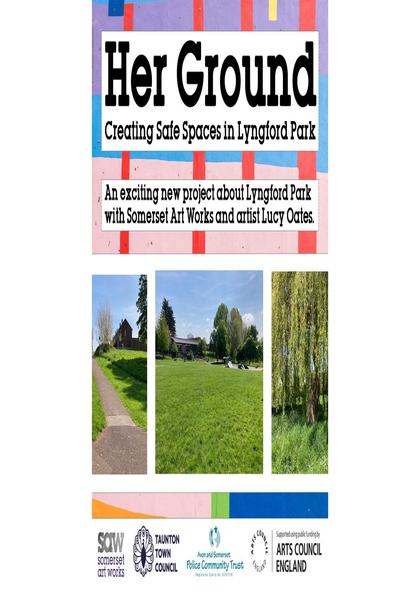 | Her Ground: Creating safe spaces in Lyngford Park | Details co-created approaches in Somerset, showing how arts-led and green-space activities build community capacity and shape inclusive places. It offers practical steps, templates and evidence to support arts, culture & heritage with links to community spaces and places. | Arts, Culture and Heritage, Community Spaces and Places | arts-culture-and-heritage community-spaces-and-places service-themes | consultation-document guidance-document | |
 | Neroche Woodlanders – Annual Report 2023/24 | Woodland management and nature‑based wellbeing outcomes in the Blackdown Hills; relevant to forestry practice and land stewardship. | Agriculture Forestry and Fishing, Children and Young People, Community Cohesion, Community Spaces and Places, County-Wide, Everyone, Families, Former District of Somerset West and Taunton, Mental Health and Wellbeing, People From Minoritised Communities, People with Mental Health Difficulties, Recreation, Refugees/Asylum Seekers/Immigrants, Rural | agriculture-forestry-and-fishing children-and-young-people community-cohesion community-spaces-and-places county-wide everyone families former-district-of-somerset-west-and-taunton mental-health-and-wellbeing people-from-minoritised-communities people-with-mental-health-difficulties recreation refugees-asylum-seekers-immigrants rural service-themes demographics geography | annual-report | |
 | Dementia and Hope | This document sets out the vision of a group of dementia organisations in the UK who have come together as One Dementia Voice. It outlines how these organisations are thinking differently about their support for those living with dementia, and how wider societal barriers can be overcome with the right support. It addresses frequently asked questions and provides suggestions on how to embed ‘Dementia and Hope’ into your organisation. There are also many personal stories and examples of how ‘reasonable adjustments’ can and should be made for people with dementia. | Community Cohesion, Community Spaces and Places, Everyone, Mental Health and Wellbeing, Older People, Physical Health and Wellbeing, Recreation, UK | community-cohesion community-spaces-and-places everyone mental-health-and-wellbeing older-people physical-health-and-wellbeing recreation uk service-themes demographics geography | guidance-document research-paper toolkit-and-resources | |
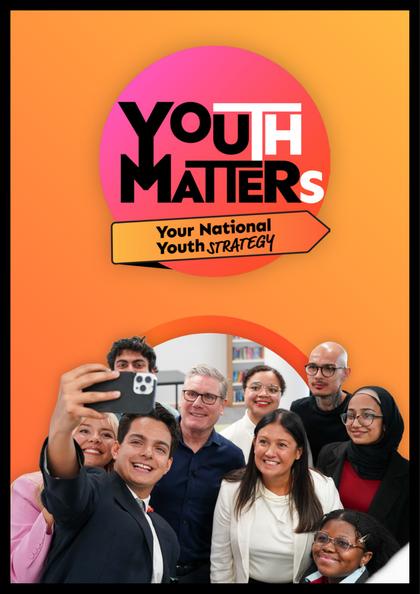 | Youth Matters – Your National Youth Strategy | The Labour Party National Youth Strategy, which outlines the actions the government are committing to over the next 10 years to secrure the future that young people have told them that they want | Arts, Culture and Heritage, Children and Young People, Community Cohesion, Community Development, Community Spaces and Places, Education/Training, Equality and Diversity, Mental Health and Wellbeing, Physical Health and Wellbeing, Poverty and Disadvantage, Recreation, Sports, UK | arts-culture-and-heritage children-and-young-people community-cohesion community-development community-spaces-and-places education-training equality-and-diversity mental-health-and-wellbeing physical-health-and-wellbeing poverty-and-disadvantage recreation sports uk service-themes demographics geography | national-review policy-brief | |
 | Power Threat Meaning Framework | The Power Threat Meaning Framework is an over-arching structure for identifying patterns in emotional distress, unusual experiences and troubling behaviour, as an alternative to psychiatric diagnosis and classification. The project team’s aim was to produce a foundational document which sets out the philosophical, theoretical and empirical basis for such a framework and describes how it can serve as a conceptual alternative to psychiatric classification in relation to emotional distress and troubled or troubling behaviour. This is an overview. A full 400+ page report is available from the British Psychological Society. | Children and Young People, City, Coastal, Community Cohesion, Community Development, Community Spaces and Places, County-Wide, Education/Training, Equality and Diversity, Everyone, Families, Female, LGBTQ+, Lone Parents, Male, Mental Health and Wellbeing, Older People, People From Minoritised Communities, People with Mental Health Difficulties, People with Multiple Disabilities, People with Physical Disabilities, Refugees/Asylum Seekers/Immigrants, Rural, Support Service Activities, UK, Urban, Village | children-and-young-people city coastal community-cohesion community-development community-spaces-and-places county-wide education-training equality-and-diversity everyone families female lgbtq lone-parents male mental-health-and-wellbeing older-people people-from-minoritised-communities people-with-mental-health-difficulties people-with-multiple-disabilities people-with-physical-disabilities refugees-asylum-seekers-immigrants rural support-service-activities uk urban village demographics geography service-themes | guidance-document research-paper toolkit-and-resources | |
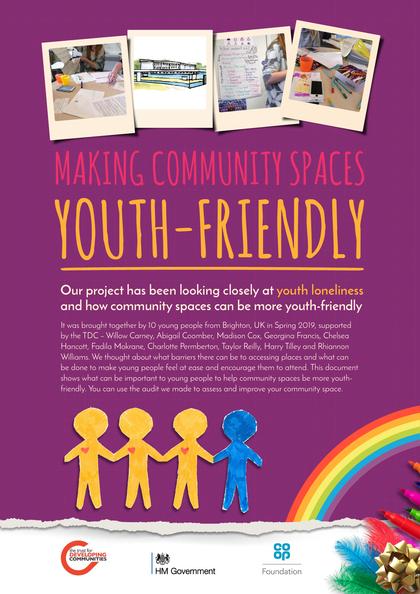 | Making Community Spaces Youth Friendly – Community Spaces Audit | The Trust for Developing Communities developed an audit to help community spaces become more youth-friendly in a bid to combat youth loneliness. The group explored the barriers that can prevent access to places. They questioned what can be done to make young people feel at ease and what would help encourage them to visit community locations. The resulting document forms a framework to help make community spaces more accessible to young people, including an audit which managers of such places can use to assess and improve their own spaces. An accompanying video is here: https://youtu.be/InW6CWVevUI | Children and Young People, Community Spaces and Places | children-and-young-people community-spaces-and-places demographics service-themes | toolkit-and-resources |