Community-Based Participatory Research Workbook
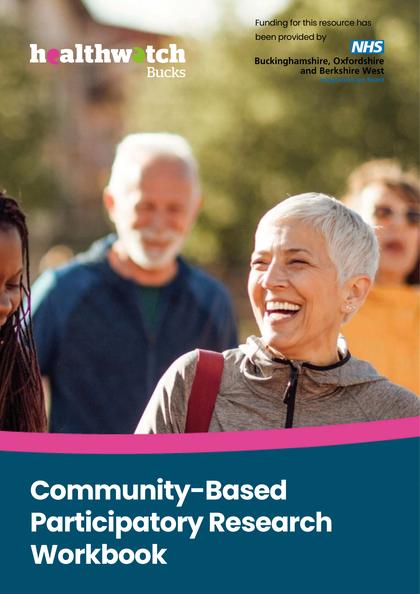
This workbook is for anyone interested in community based research. It is for someone new to research as well as someone who has more experience. Each page takes you through a step in the research cycle. So, it starts with what your community needs and ends with how community members can get the best of out of the research project.
Dementia 100: Summary Guidance
The fundamental concept of the Dementia 100: Pathway Assessment Tool is to provide a mechanism for capturing and understanding the characteristics and specific requirements that are considered key to the development and delivery of service and care needs for people living with dementia and their carers. The Dementia 100 extracts and combines pertinent information from multiple sources into a single, consolidated tool for self-assessment. Completed at Place level, it provides a holistic and integrated view of service provision. At system level it aids strategic planning and sharing best practice.
Running a screening of ‘The World Turned Upside Down”
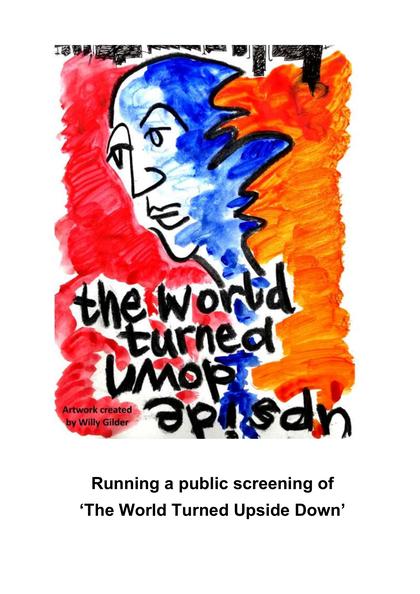
‘The World Turned Upside Down’ is a play that was staged in Exeter in January 2022. This film shows both the play itself and the process of creating it. We hope that many different types of people will be interested in ‘The World Turned Upside Down’. This guide is designed to help you set up and run your own screening in your local community. Inside are suggestions for how to set up and facilitate a screening event, but everyone’s set-up and audience will be unique. Pick and choose what will work best for you.
DEEP Guide: Dementia words matter
The Dementia Engagement and Empowerment Project (DEEP) have produced guidelines for journalists, organisations and communications departments to inform why language about dementia matters. It allows people to use words and descriptions which was accurate, balanced and respectful. The language used to talk about dementia influences how people with dementia are views and also how they feel about themselves
UK DRI: Diversity and dementia
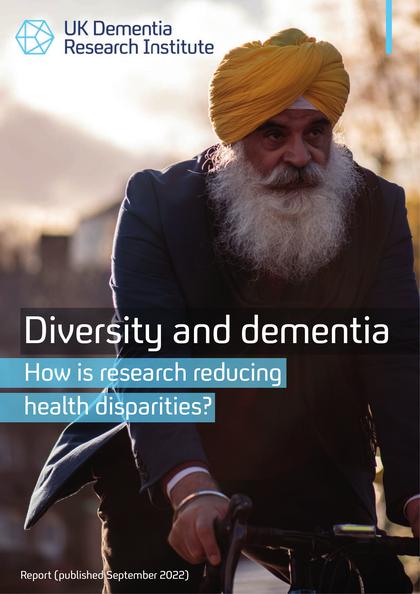
How is research reducing health disparities? The UK Dementia Research Institute published this report in 2022. It looks at the statistics of dementia research and considers how health inequalities may play a role in understanding the true impact of dementia. They explore how dementia research may help to understand how and why different groups are affected differently by the same diseases, in order to target nterventions where they are most needed to maximise their benefit. “We must reject longstanding biases in scientific research, and instead innovate in the name of inclusivity”
Dementia Dekh Bhaal
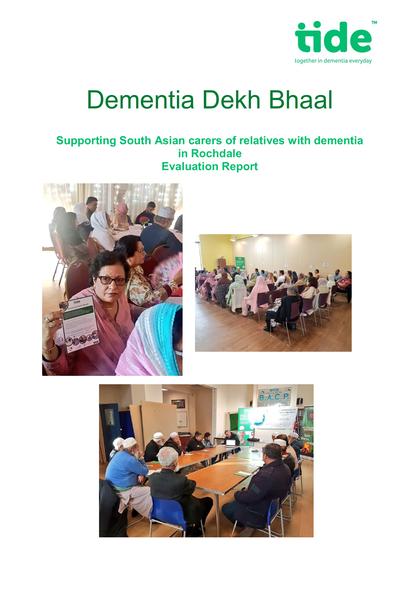
Supporting South Asian carers of relatives with dementia in Rochdale – an Evaluation Report
An evaluation of the Dementia Dekh Bhaal (meaning ‘to care for dementia’) project, set up by tide (together in dementia everyday). The project was commissioned to address the needs of South Asian carers by developing and delivering a training package for professionals, campaign to increase awareness and use the power of stories to change perceptions. The project used an Asset Based Community Development approach and used ‘Lived Experience’. It was seen as successful and was recommended to be embedded in other community engagement projects
Crowded Isolation and Loneliness – full report
A Perspective from Carers of People living with Dementia
tide (together in dementia everyday) conducted some research looking at the experience of carers of people living with dementia, who are often surrounded with support from many services but feel isolated and crowded with responsibility. This full report explores 6 key themes identified, with additional insights and stories shared. Recommendations for national change are provided
Crowded Isolation a Loneliness Executive Summary
A Perspective from Carers of People living with Dementia
Research undertaken in 2021 to look at the experiences of carers of people living with dementia, who are often ‘engaged’ with many support services, but feel isolated and crowded with responsibility.
An executive summary of the report
Living Grief Booklet for Professionals
tide (together in dementia everyday) have created a booklet for anyone working with carers of people with dementia, to help them support those individuals with living grief
Making Shared Care a Reality
The experiences of family carers when the person they have looked after goes into a care home. Tide (Together In Dementia Everyday) sought feedback from carers once the person they cared for had moved into a care home. It was a lack of consistency across care homes and prompted tide to raise awareness of this disparity and make recommendations for future action.